 A Field Dossier · Miracle Academy
Subjugate
the Grief
How to master what you grieve without gaslighting it, and without letting it bypass you. The two oldest teachers, the body that keeps score, and the community that carries the weight out of you.
You are not supposed to fix grief. You are supposed to subjugate it.
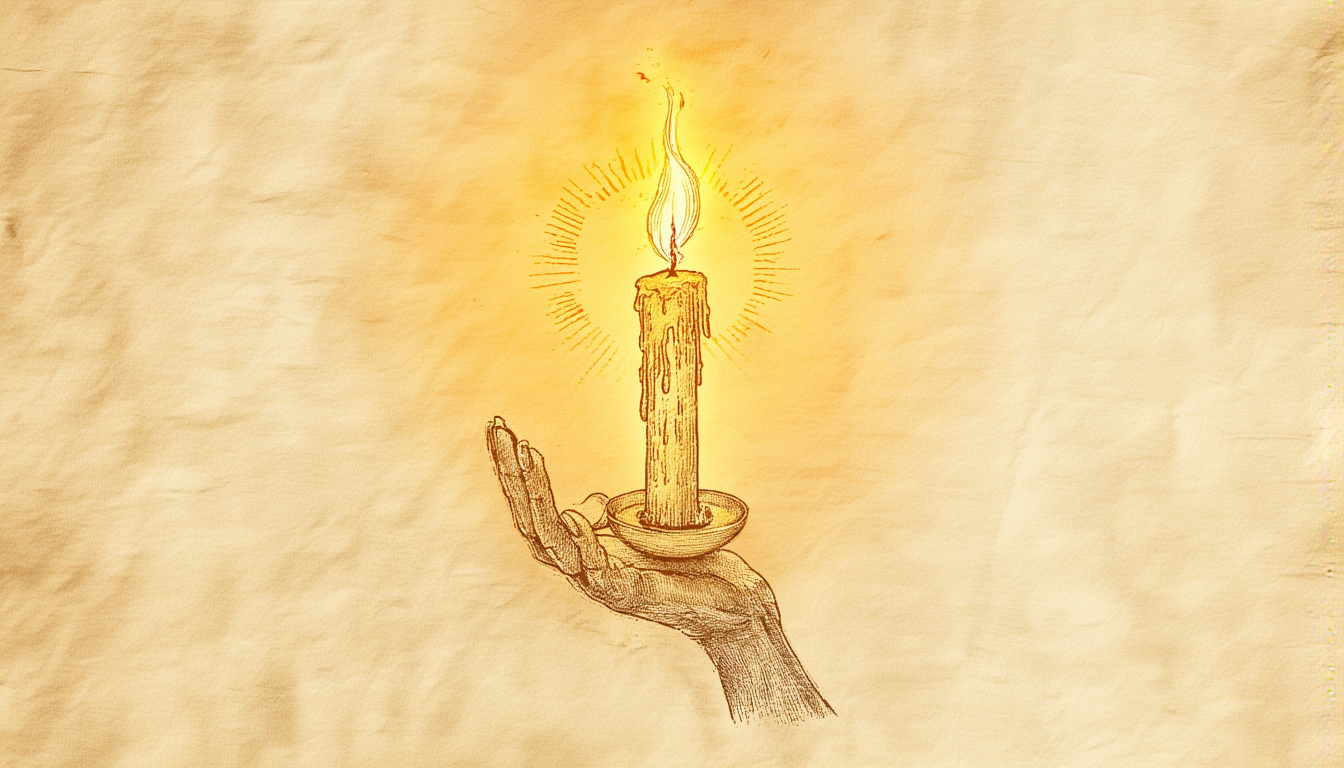
There are two ways people handle grief, and both of them cost you. The first is to gaslight it. You tell yourself it is not that bad. You keep moving, you smile through it, you act like the thing that died is not dead. The second is to let it bypass you. You numb it, you avoid it, you drown it, you never let it land in the body where it actually lives. Both are escapes. Neither is the work.
Subjugation is the third way. It is not suppression. It is not indulgence. It is the act of meeting the grief exactly where it is, feeling the full weight of it in the body, and then, this is the part most people never learn, not becoming it. You feel the whole thing. You process the whole thing. And you stay the one who is feeling it, not the thing that is feeling you.
That is the entire teaching. The rest of this dossier is the proof that it has been done, by the two greatest teachers who ever walked the earth, and the method that makes it available to you today.
You do not defeat grief by ignoring it. You subjugate it by feeling all of it and refusing to become it.
Take one slow breath. Name the grief out loud, in one sentence, the way it actually is. Not "I am fine." Not "It was God's will." The plain name: "I lost him." "It is over." "I am not who I was." Naming it is the first move. It takes the grief out of the dark and puts it in the light, where you can finally work with it.
Buddha did not promise you no suffering. He gave you the map out of it.
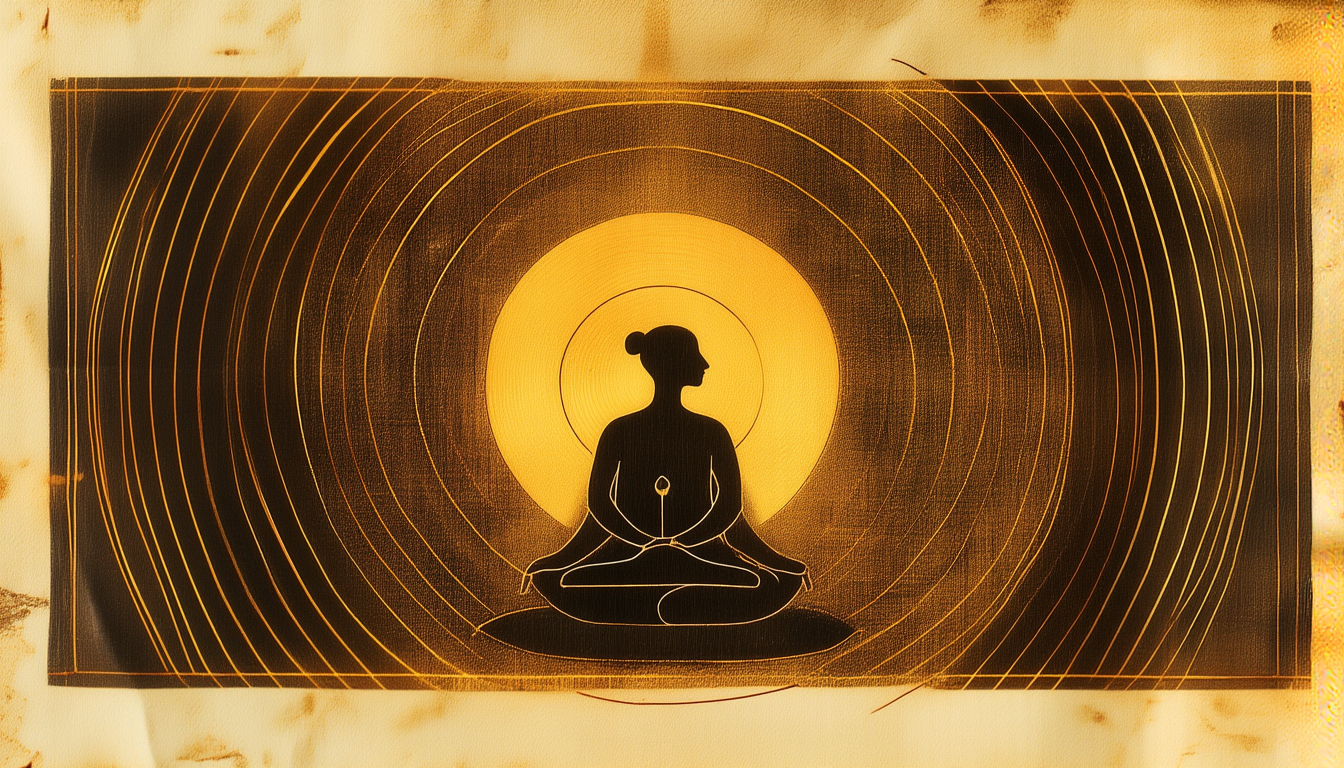
DOCUMENTED RECORD When Siddhartha Gautama sat down under the bodhi tree, he did not discover that suffering does not exist. He discovered the opposite. Suffering is real. It has a cause. It can stop. And there is a path. Those are the Four Noble Truths, and they are the oldest documented teaching on exactly what we are doing today.
The first truth: suffering, dukkha, is part of the human condition. Grief is not a mistake in your life. It is the proof that you loved something. The second truth: suffering has an origin. It is fed by clinging, by craving, by the grip on what was, or on what you wanted to be. The third truth: suffering can cease. When the grip loosens, the fire goes out. The fourth truth: there is a path, the Eightfold Path, a set of practices that do the loosening, deliberately, over time.
Notice what Buddha never said. He never said "grief is an illusion." He said it is real, and he gave you the mechanics of working with it. That is the difference between gaslighting and subjugation. You are not pretending the pain is not there. You are learning the path through it.
Suffering is real. It has a cause. It can stop. And there is a path. That is not a comfort. That is a map.
Write your grief down. Then answer the four questions, in order. What is suffering here? What is feeding it, what are you clinging to? Is it possible for this to ease? What is one practice I will run, deliberately, this week? You are not praying for the pain to vanish. You are mapping it, the way the oldest teacher mapped it.
Jesus did not argue with grief. He sat with it until the person showed up.
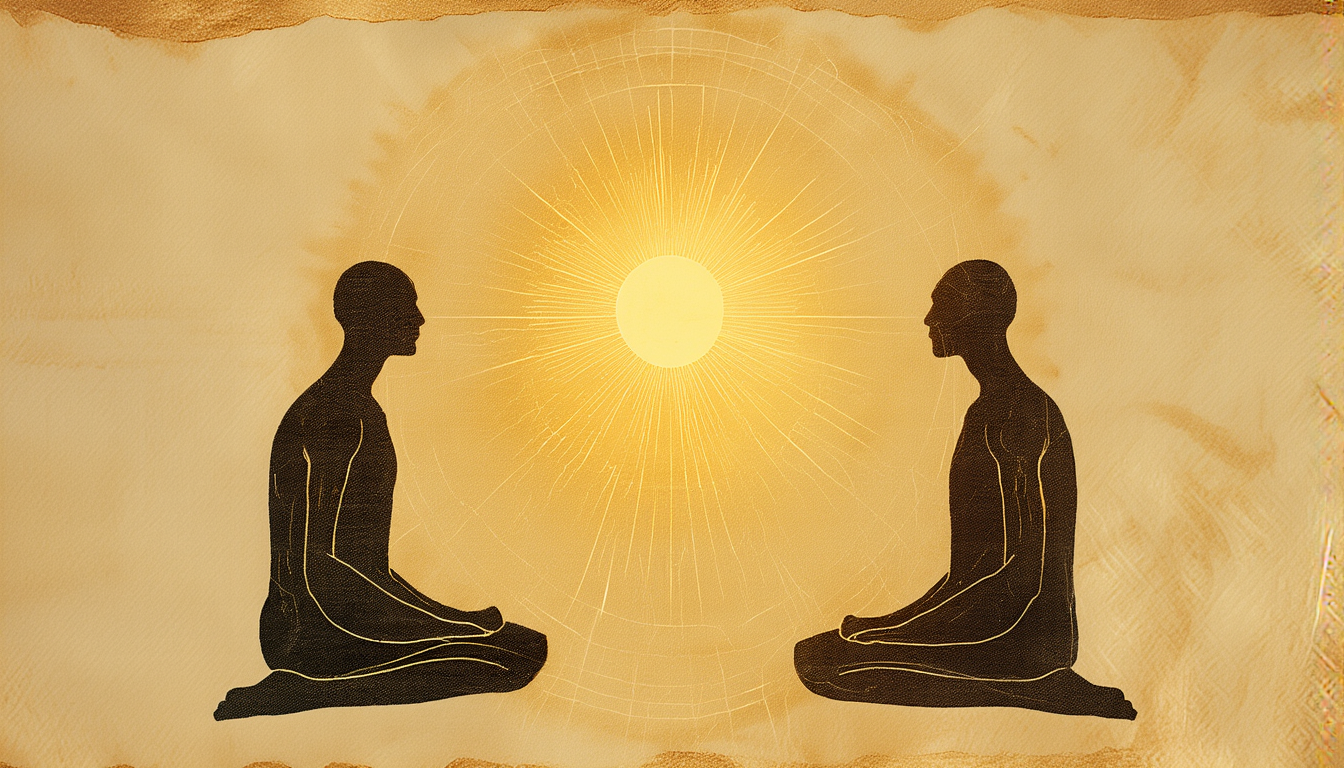
DOCUMENTED RECORD Read the Gospels and the pattern is the same one, in a different key. On the road to Emmaus, two men were grieving a death they thought was final. Jesus did not correct their grief. He walked with them, he let them feel it, and in the walking, they saw. "Did not our heart burn within us?" They did not stop grieving. They were changed by being fully met in the grief.
One of the things I learned about what Jesus did is this. He would just sit and observe. And in that, the person would show up. Not the performance of the person. The actual person, underneath the grief. That is the mechanic. Presence is not passivity. It is the highest form of action available to you in another person's pain. You do not fix them. You do not gaslight them. You sit, you hold the space, and in the holding, the real thing comes out.
And the same was true of him. In the Garden of Gethsemane he did not bypass his own dread. "My soul is sorrowful, even to death." He felt the full weight of it, in the body, and he stayed the one who was feeling it. And then he rose. The resurrection is not the denial of the death. It is the proof that the one who grieved the death did not become it.
He would just sit and observe, and in that the person would show up. Presence is the highest form of action.
In your next conversation with someone in pain, do not fix it. Do not change the subject. Sit. Let them feel it. Hold the space. You are not responsible for their healing. You are responsible for not running. That is the whole method, and it is the one most of us have never been trained in.
The evolution is simple and it is hard. Feel the whole thing, and do not become it.
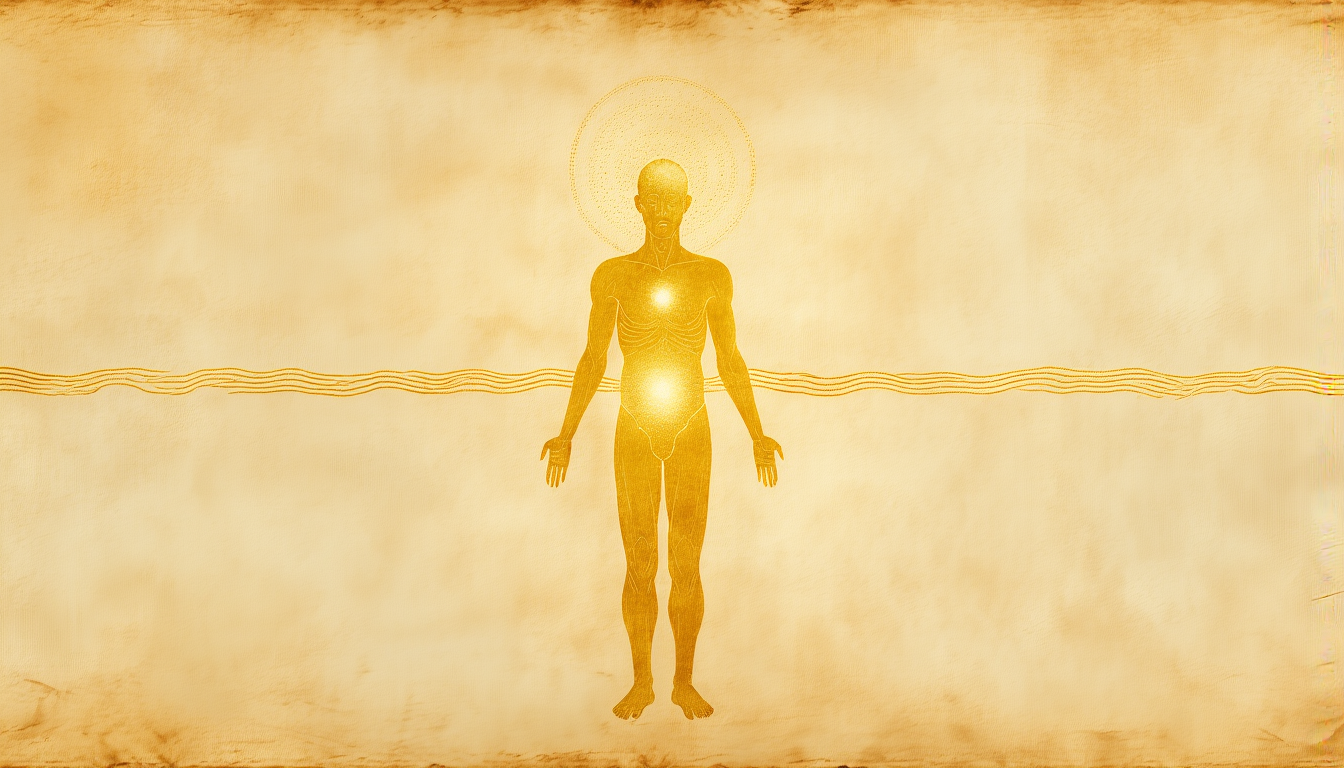
Buddha gave you the map. Jesus modeled the presence. The modern evolution of both is one sentence you can hold. Observe the grief without becoming it. You feel the feelings. You process the feelings. You find community. You find connection. And none of that turns you into the grief. You are the one who is grieving, not the grief that is grieving you.
DOCUMENTED RECORD Here is the part that makes it real, the part that separates this from positive thinking. True feelings being felt is a somatic experience. Grief is not in your head. It is in your body. The chest tightens. The throat closes. The breath shortens. That is not metaphor. That is the nervous system doing exactly what it was built to do.
WORKING HYPOTHESIS The Miracle Academy teaching on this is the one that changed everything for me. The body keeps score. The heart holds a default state tied to what the body holds and the mind commands. You can think your way through a grief and it will still be in your body, waiting. The work is not to think the feeling away. The work is to let the feeling move through the body, feel the full somatic weight of it, and let it pass.
That is the whole modern method. Feel it in the body. Process it. Do it with people, not in isolation. And stay the observer, the one feeling it, never the one it feels through.
True feelings being felt is a somatic experience. The body keeps score. So the work is in the body, not in the thought.
When the grief rises, do not go to your thoughts. Go to your body. Where is it? Chest? Throat? Belly? Name the place. Breathe into the place. Do not try to move it. Just let it be felt, in the body, for as long as it needs to be felt. The feeling is not the enemy. The un-felt feeling is what keeps the score.
You build the grief cycle out of hope, anticipation, and expectation.
ENGINEERING INFERENCE Here is how the grief actually gets built, and it is worth understanding, because once you see the mechanism you can work it. When something ends, a person dies, a relationship ends, a job ends, your mind does two things at once. It reaches for the past, and it reaches for the future. The past is the memory of what was. The future is the hope, the anticipation, the expectation of what was supposed to come. And the grief is the gap between the two. The thing you lost, and the thing you were hoping to have.
And here is the important part, the part people get wrong. That cycle is okay. It is not a failure. It is not you being weak. It is the mind doing exactly what it was built to do, protecting you from the loss by keeping the hope alive. You are not broken for grieving. You are human for grieving.
The problem is not the cycle. The problem is when you stay in the cycle. When you keep replaying it, keeping the hope alive, keeping the person alive in your mind, the grief stops being a process and becomes a residence. You move in.
The grief is the gap between what you lost and what you were hoping to have. That cycle is okay. Staying in it is the cost.
Name the three, out loud or in writing. The past you are holding. The future you were hoping for. And the gap between them. You do not fix it. You just name it. Naming the gap is the first move out of the cycle, because you can only leave a place you have seen clearly.
Holding on becomes replaying, and replaying becomes re-resurrecting the dead.
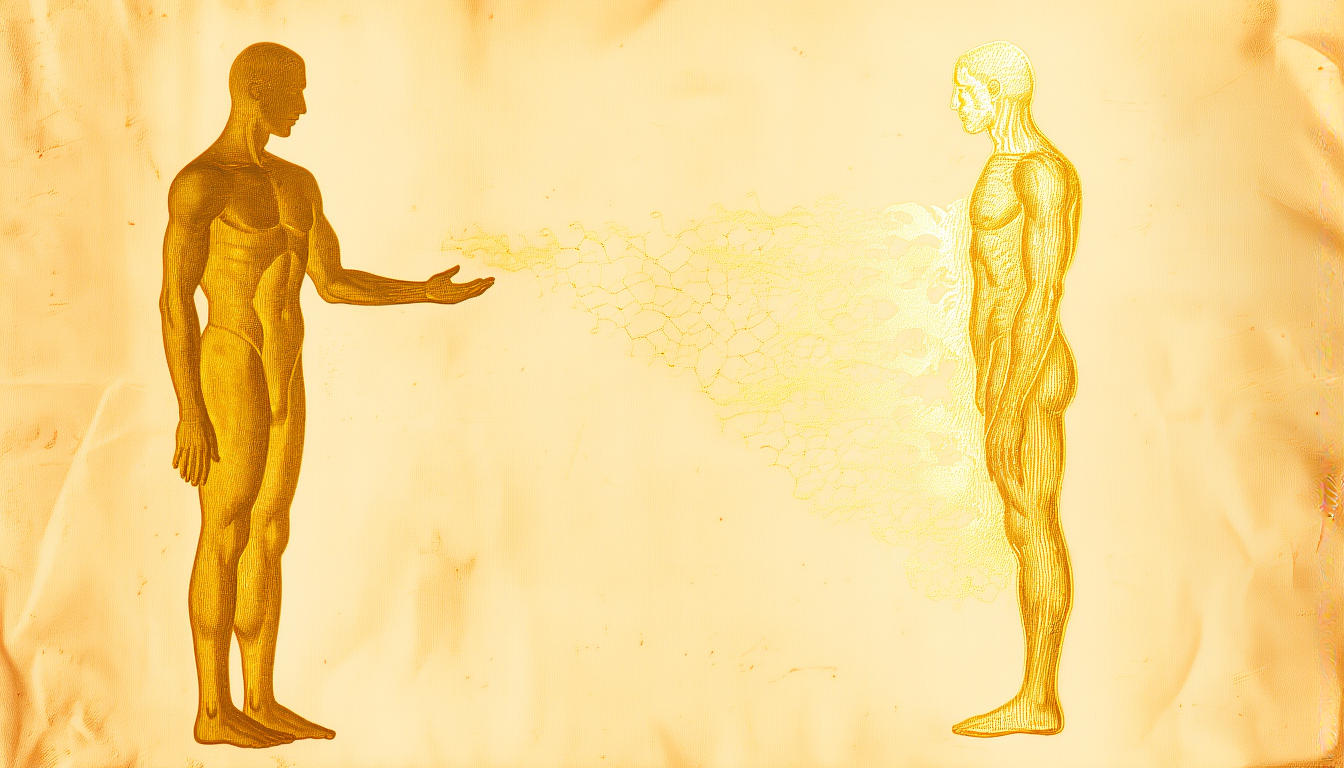
ENGINEERING INFERENCE As you hold on, the cycle gets a second life. You start replaying it. And the replaying becomes something else. You start re-resurrecting it. If you want a word for it, you are reincarnating the old relationship in your mind. You are keeping the person alive, the job alive, the version of your life alive. Sometimes even when it was a perfect relationship. Because the loss is so much bigger than the memory, the mind keeps the memory running to hold the loss at bay.
This is not you being ungrateful. This is the mind doing its job, keeping the thing you loved from fully dying. But a relationship that is alive only in your replay is no longer a relationship. It is a ghost you are feeding. And every time you feed it, you pay for it in the present, because the present is where your life is actually happening.
A relationship that lives only in your replay is no longer a relationship. It is a ghost you are feeding.
When you catch yourself replaying, do not fight the replay. Thank it. It is trying to keep the love alive. Then, on a slow exhale, say the plain sentence: "It is over, and I loved it." Say it to the body, not to the memory. You are not killing the love. You are letting the love rest, so you can be alive in the room you are actually in.
The fact that it ended is not a punishment. It is a signal.
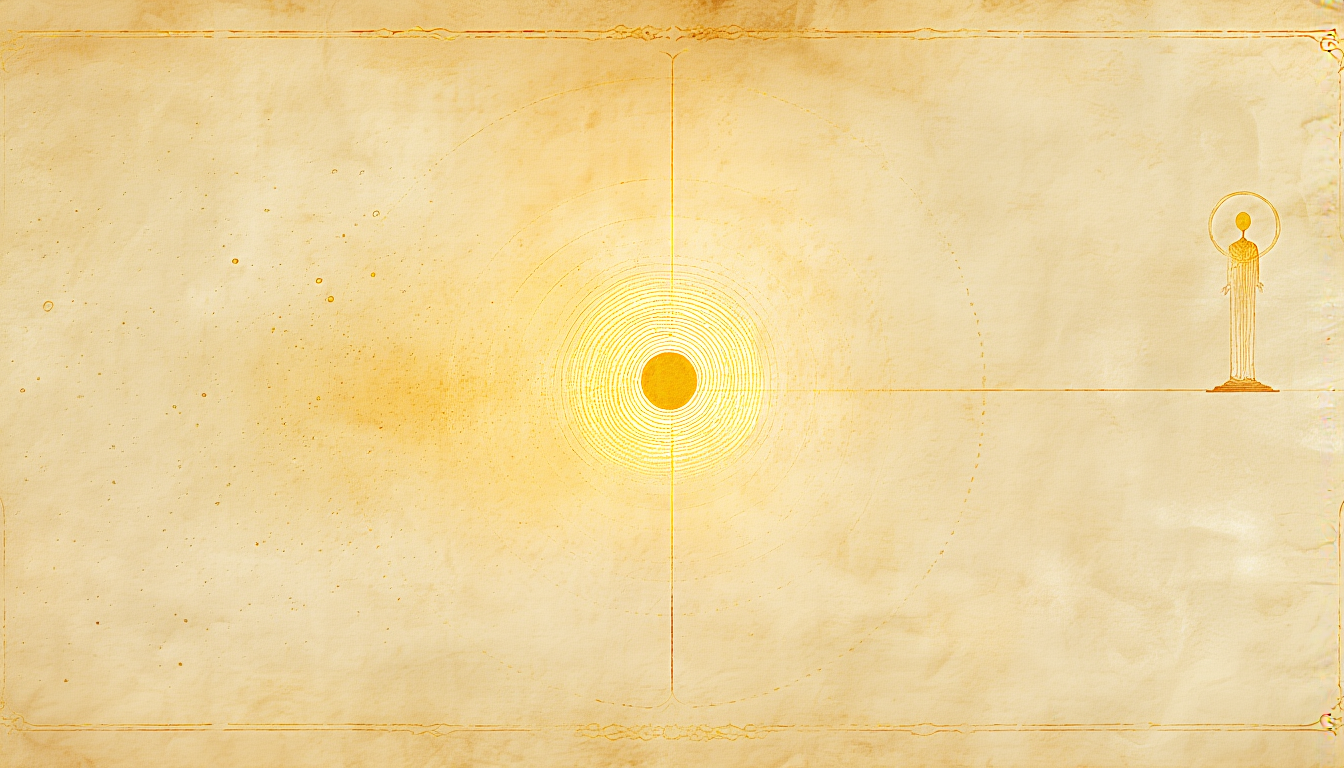
WORKING HYPOTHESIS The fact that it ended is a divine signal for you. The fact that a life ended, a relationship ended, a job ended, is a signal. It is the universe telling you the chapter is closed, and that you are being moved. Most of us do not choose to accept that signal. We argue with it. We replay it. We keep the door open that was closed for a reason. Whether it is the death of self, the end of another, the end of a relationship, the end of a job, the signal is the same. Something is ending so something else can begin.
And here is the line I want you to hold, because it changes everything about how you read a loss. There is nothing that has ever been created for you that is against you. The ending was not made to hurt you. It was made to move you. The grief is the friction of the move, not the move itself. Once you read the ending as a signal instead of a verdict, the grief loses its power to trap you, because a signal is something you respond to, not something you suffer under.
There is nothing that has ever been created for you that is against you. The ending was not made to hurt you. It was made to move you.
Take the thing that ended. Ask the plain question: "What is this closing the door on, and what is it opening?" You do not have to have the answer today. You just have to stop reading it as a verdict and start reading it as a signal. A signal is something you answer. A verdict is something you sentence yourself to.
The world is about to grieve at scale. This is where humanity gets to rise.

WORKING HYPOTHESIS I am not saying this is a certainty. I am saying there is a real possibility, and it is worth preparing for. The 2030 agenda, the craziness, the blackouts, the wars, all of it. There is a potential that we are going to feel a lot of grief, together. The end of industries as we know them. The end of jobs as we know them. The end of financial systems as we know them. We are going to have grief in many different ways, and that grief will beget fear. It will beget sadness. It will beget everything that comes out of a loss we did not choose.
And here is the trap, the one we covered in the cycle. The more that we latch onto the expectations of what is, hold on to what was, or even hold on to the hope of what is coming, the less able we are to become extremely present now. That inability is the thing that pulls us out of this beautiful evolution and into a vortex, into the pain, into the suffering, into the ongoing suffering.
But it is also the opening. When a whole generation is forced to grieve at the same time, the ones who have learned to subjugate their grief, to feel it fully and not become it, to sit with it in community and let it pass through the body, those are the ones who hold the line. This is not a time to be afraid of the grief. This is where humanity has the opportunity to rise. The grief is the fire. The question is whether you are the one who burns, or the one who learns to hold the flame without being consumed.
This is where humanity has the opportunity to rise. The grief is the fire. The question is whether you burn, or whether you learn to hold the flame.
Three times a day, stop and ask: "Am I in the past, in the future, or here?" If you are in the past or the future, do not judge it. Just name it, and return to the breath in front of you. The present is the only place the grief can be felt, processed, and released. You cannot subjugate a grief that is happening somewhere else. Bring it here, to now, to the body, to the breath. That is the anchor.
In Bhutan I met the proof. The Rinpoche did not fight the demons. He understood them.

DOCUMENTED RECORD When I was in Bhutan, I sat with a teacher, a Rinpoche, and I watched what subjugation looks like when it has been practiced for a lifetime. He did not fight his shadows. He did not suppress his demons. He understood them. He understood how they reflected inside of him, what they were made of, what they were asking for. And in the understanding, he changed himself. The shadow did not leave him. He stopped being ruled by it.
That is the move, and it is the same move in every tradition. You do not defeat the shadow by pretending it is not there. You do not defeat it by fighting it, because a fight is a relationship, and the shadow wins the fight by staying in it. You defeat it by meeting it, by understanding it, by seeing how it is reflected in you, and by changing the one who is meeting it. The shadow was never the problem. The unmet shadow is.
He did not fight the demons. He understood them. And in the understanding, he changed himself. The shadow was never the problem. The unmet shadow is.
Take the grief that is loudest in you. Do not fix it. Do not fight it. Ask it the plain questions. What are you made of? What are you asking for? What are you trying to protect me from? Sit with the answers. You are not analyzing the grief. You are meeting it, the way the teacher met his demons, and in the meeting, you are the one who changes.
Jesus ran the same protocol in the desert. Forty days of meeting every shadow head on.

DOCUMENTED RECORD The reason I talk about Jesus so much is that he did the exact same thing, in the exact same way, in the most documented story in the Western world. In the desert, for forty days and forty nights, he met every shadow head on. The temptation to turn stone into bread, to test the divine, to grab the kingdoms of the world. He did not bypass them. He did not argue with them. He met each one, in the body, in the hunger, in the thirst, and he stayed the one who was meeting it. And he came out the other side whole.
And the same pattern runs through his whole life. With his disciples, he sat with their fear, their doubt, their grief, and he did not correct them, he met them. With Judas, the one who broke, he did not run from the betrayal, he met it, and in the meeting, he transformed it into the thing that saved everyone. And at the end, in the resurrection, he did not deny the death. He walked through it, in the body, and came out the other side. That is the proof that the one who grieved the death did not become it.
He met every shadow head on, in the body, in the hunger, in the thirst. And he came out the other side whole. That is the protocol.
Once a week, take one hour with nothing. No phone, no music, no input. Just you and the grief. Let it come. Let it sit in the body. Do not fix it. Do not run from it. Just meet it, the way the desert meets the sun, directly, in the open. When the hour is done, write one line about what showed up. Over weeks, that line is your record of the shadows you have met, and the ones you have stopped being ruled by.
Community is not support. It is transmutation. Last week, a voice went from meek to booming.
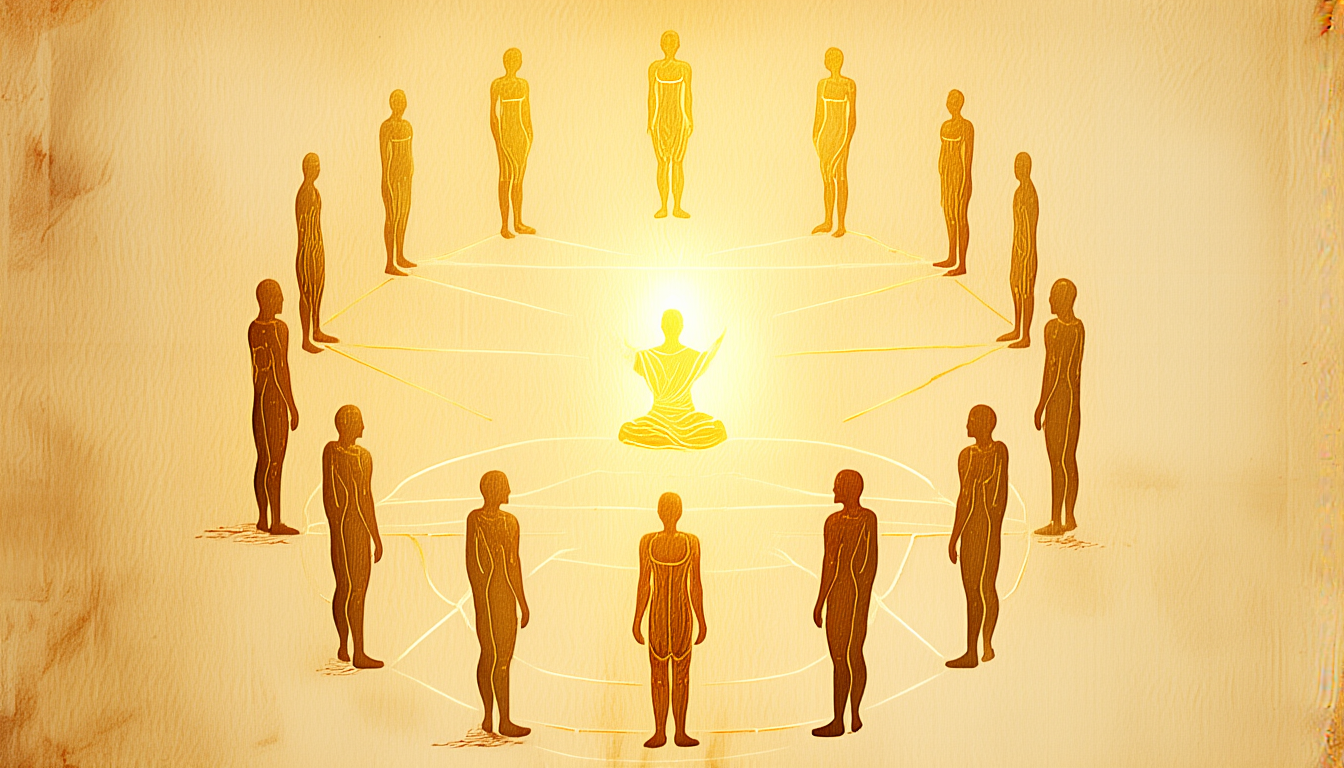
DOCUMENTED RECORD Last week, in the Miracle Academy community, we had someone. I am not going to tell their story, but they were courageous enough to share something extremely traumatic in their life. They had never spoken vocally about it out loud. And in the process of transmuting it, in the room, with the circle holding it, their voice went from being meek to being powerful. From feeling like they could not open their throat, could not speak, to, at the end of that conversation, having a voice that is booming, connective, still, and solid.
That is what community is for. We could take that grief and transmute it. One of the things I learned about what Jesus did is that he would just sit and observe, and in that the person would show up. A community that does that, without judgment, that becomes supportive, that sheds the tears with you, that transmutes the grief, and that becomes empathetic, that is everything. You do not have to grieve alone. You do not have to carry it in your body by yourself. The grief moves through the body, and it moves out, into the people who are holding it, and in the moving, it changes.
This is the Miracle Academy method, and it is the reason the community exists. Not to make you feel better. To make you feel fully, and then to carry what you felt out of you, together, so it does not stay in the body keeping the score.
Their voice went from meek to booming, from could not open the throat to still and solid. That is what a circle does. It transmutes the grief, together.
Find one person you trust, or one room that holds you, and say the plain thing. Not the polished version. The actual grief, out loud, for the first time if that is where you are. Let them sit with it. Let them shed the tears with you. You do not have to be fixed. You just have to be heard, in the body, by someone who is not running. That is the transmutation, and it is available to you this week.
The mystical is not separate from the body. It shows up in the body.
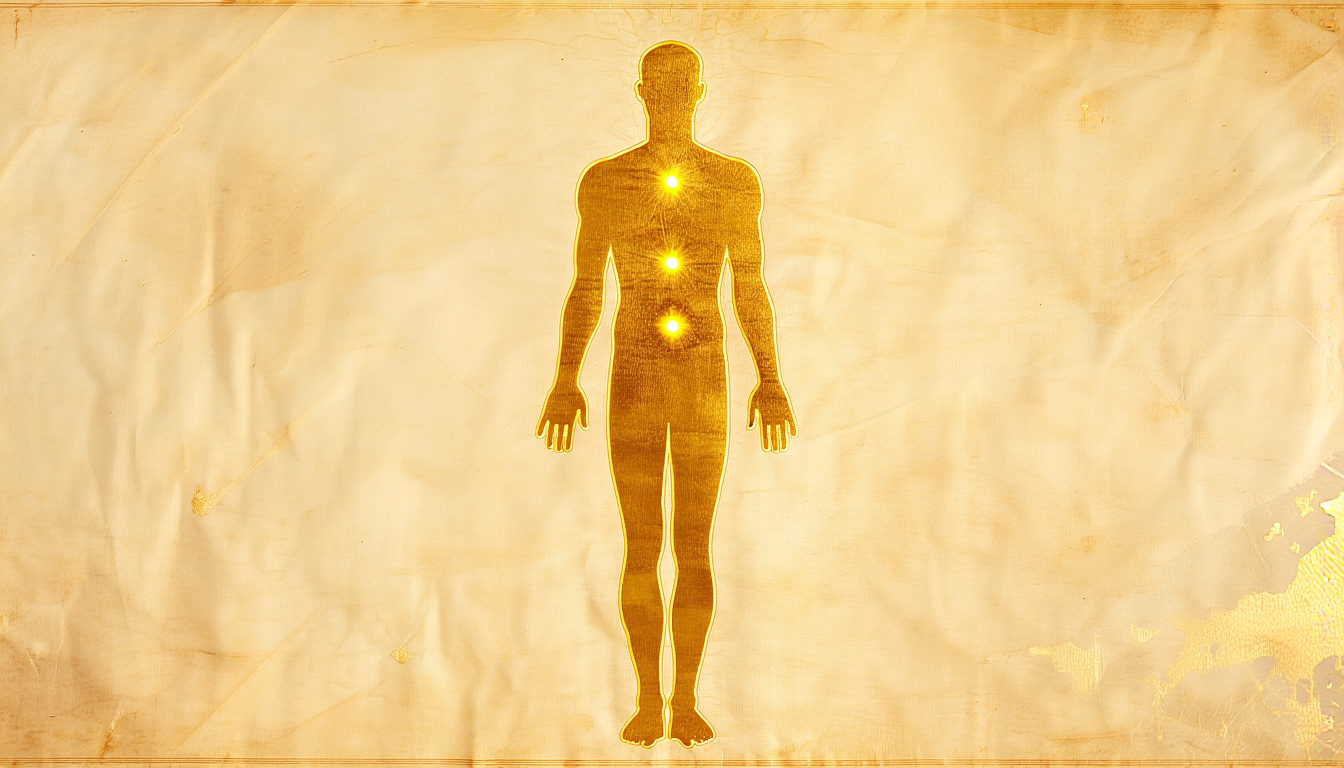
ENGINEERING INFERENCE Not only are we learning about the mystical stuff, the codes, the Tartarians, the Watchers, the Pistis Sophia, the different areas of Gnosticism, the Kabbalah, how it shows up in your body, and the secret teachings of Jesus. We are also learning how to take all of that and make it something your body can deal with, when something changes in this world. The two are not separate. The mystical is the map. The body is the territory. And the grief, the fear, the loss, all of it lands in the body, in the same places, in the same way, every time.
That is the whole point of the somatic work. The heart holds a default state, tied to what the body holds and the mind commands. The codes and the teachings are not abstract. They are the instructions for how to change the default state, in the body, so that when the world shifts, and it is shifting, you are not the one who breaks. You are the one who feels the whole weight of it, processes it, and lets it pass through, without becoming it. The body is the instrument. The teaching is how to play it.
The mystical is the map. The body is the territory. The grief lands in the body, in the same places, in the same way, every time. That is where the work is.
Three places the grief lives in the body, and three moves for each. The throat, where the unsaid words sit. Breathe into the throat and say the one word you have not said. The chest, where the love and the loss sit. Breathe into the chest and let the love be felt, fully, without the loss cancelling it. The belly, where the fear and the old shame sit. Breathe into the belly and let the fear be felt, fully, without you becoming it. You are not curing the body. You are playing the instrument, the way it was meant to be played.
You do not lose the grief. You stop being ruled by it. Now go feel it, fully, and rise.
You have the map from Buddha. You have the presence from Jesus. You have the modern method, feel it in the body, process it, do it with people, and stay the observer. You have the mechanics of the cycle, the hold, the signal, and the coming grief. You have the proof from Bhutan, from the desert, from the circle, and from the body. Nothing here asks you to believe. It asks you to feel, fully, and to refuse to become the thing you are feeling.
You do not lose the grief. You do not gaslight it. You do not let it bypass you. You subjugate it. You feel the whole weight of it, in the body, in the community, in the present, and you stay the one who is feeling it. And in the feeling, you rise. This is where humanity has the opportunity to rise, and it starts with you, in this grief, in this body, in this breath.
Thank you, and I love you.